The tea issue / October 2026
10 Tea-Inspired Perfumes Worth Exploring in 2026
From Oolong to Black Tea: Ten Fragrances, Ten Interpretations
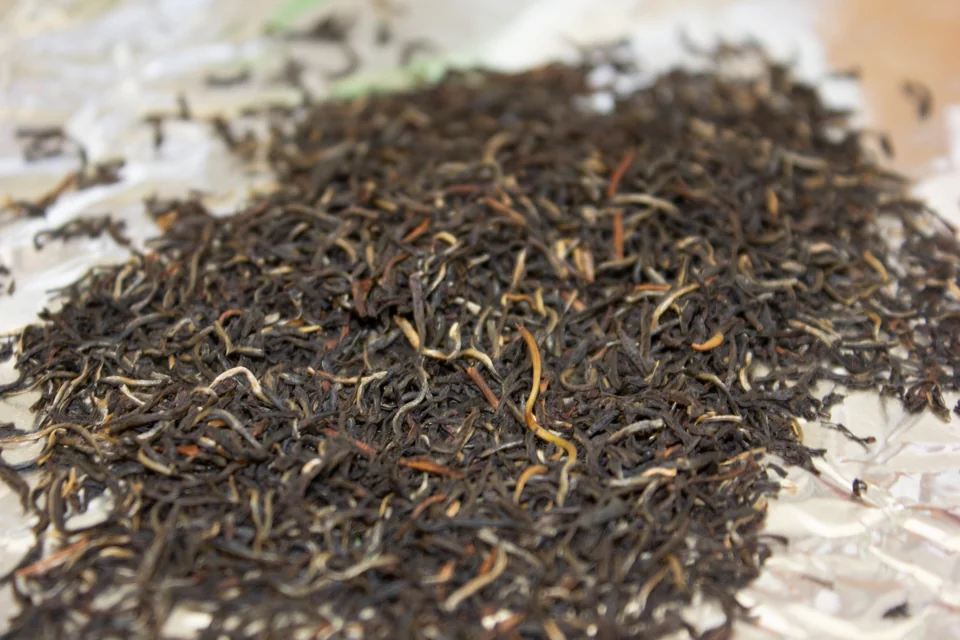

Tea does not have to smell like a steaming cup to become a compelling perfume note. In one composition, it opens with the glitter of citrus peel. In another, the image of a dark infusion is drawn with fig, dried leaves, woods or spice. Elsewhere, tea meets rice, cucumber, apple or ginger. Those differences are far more interesting than the mere appearance of the word tea on a bottle.
These ten fragrances are an editorial selection based on publicly documented scent notes and brand descriptions. The order invites readers to compare ten distinctive ways of interpreting tea. It is not a sales chart, consumer poll, independent laboratory comparison or claim of hands-on wear testing. Each entry explains what makes the interpretation interesting and what not to assume from a note pyramid.
Does a tea note mean there are actual tea leaves inside?
Not necessarily. A tea note may be a reconstructed aromatic impression, while some makers explicitly disclose a tea extraction for a particular fragrance. Those statements are not interchangeable. Green tea may be used to suggest airiness and leaf-like freshness; black tea can lead into dry woods or dark fruit; oolong can inhabit the space between radiance and softness. These are broad creative possibilities, not fixed chemical definitions. The product description matters more than a category stereotype.
In this issue — follow your curiosity
1. NishaneWūlóng Chá
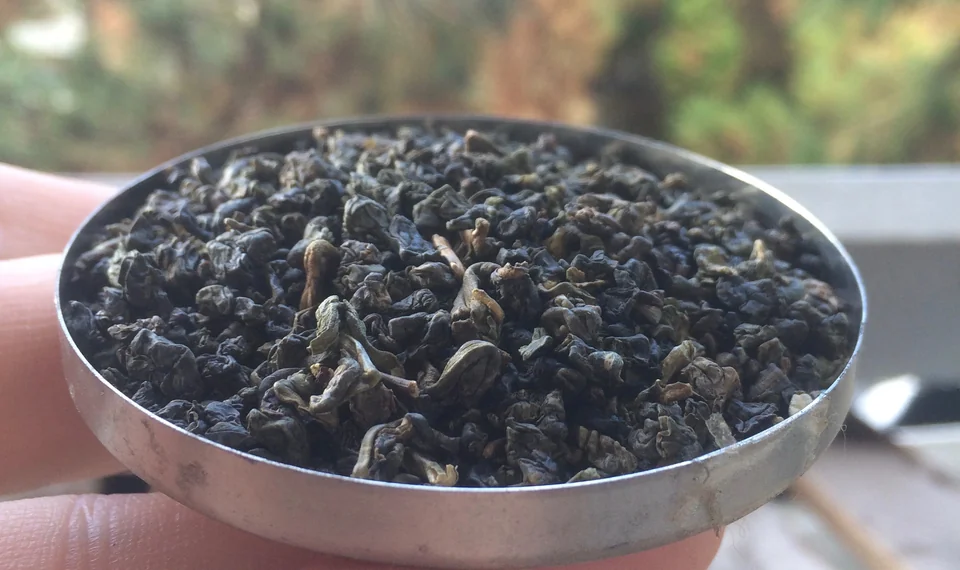

Tea interpretation: oolong, illuminated by citrus
Nishane builds its opening from bergamot, orange, litsea and mandarin, places oolong tea and nutmeg at the heart, then grounds the composition with fig and musk. Rather than portraying tea as a dark drink, the architecture sets the leaf against a bright, lively citrus register. It is a useful starting point for understanding how a tea idea can be carried by freshness without losing its base.
Explore it if the pairing of citrus and an aromatic tea heart intrigues you. Keep in mind that the brand's citrus/green/musky descriptors do not tell us how it will perform on every person's skin.
2. Le LaboThé Noir 29
Tea interpretation: dark leaves, dry woods
Where the first scent starts with light, Thé Noir 29 looks toward the dry, darker register of black tea. Le Labo describes bergamot, fig and bay leaves alongside cedarwood, vetiver and musk, and explicitly mentions a special extraction of black tea leaves contributing a dry, leafy, hay- and tobacco-like facet. The point is not simply the prominence of tea, but the way its character is carried through a woody architecture.
Explore it if you are drawn to a fragrance that moves from freshness into something drier and more layered. Keep in mind that those scent descriptors are not independent tests of strength or longevity.
3. BDK ParfumsGris Charnel
Tea interpretation: black tea alongside spice and texture
Gris Charnel places fig, black tea and cardamom essence in its top notes. Iris absolute and Bourbon vetiver follow, before Indian sandalwood and tonka bean absolute bring the sequence to a close. The idea here is a fragrant conversation between tea, spice, powdery floral nuance and warm woods. Tea becomes part of a broader tactile scene rather than a beverage impression.
Explore it if spice, soft floral texture and woods sound more compelling to you than bright citrus alone. Keep in mind that the word soft describes an olfactory impression; it is not a skincare or textile claim.
4. Vilhelm ParfumerieDear Polly
Tea interpretation: Ceylon black tea, apple and a personal ritual
Vilhelm frames Dear Polly as an intimate gesture: tea brewed for someone close. The notes make that narrative tangible. Bergamot and apple open; Ceylon black tea forms the heart; oakmoss, musk and black amber create the base. The result is a study in how tea can feel like an everyday moment rather than a formal ceremony.
Explore it if you are curious about black tea in a fruit-led opening with a deeper, musky base. Keep in mind that the emotional story is the maker's inspiration, not a feeling guaranteed to every wearer.
5. ZCONYEvermild
Tea interpretation: black tea, ginger, citrus and gentle woods
Evermild offers a Thai fragrance perspective on the theme. Its owner-confirmed scent-note structure opens with Decalactone / Black Tea / Ginger / Citrus, moves through Vanillin / Lavender / Jasmine, and settles on Woody / Ambergris / Musk. In other words, black tea is not presented solely through dry woods or spice. It is placed beside ginger and citrus, then allowed to move toward a floral heart and a softer-feeling base.
Its place in this selection adds another question to the conversation: how might a Thai perfume brand integrate black tea into a composition that also carries ginger, citrus and florals? Beside the preceding international creations, Evermild demonstrates a different documented note architecture rather than making unsupported claims about superior quality, performance or formula composition.
Explore it if you are looking for a black-tea idea that shares space with bright and floral notes. Keep in mind that a note pyramid does not prove the use of extracted black tea, real ginger or every named raw material in the actual formula.
6. Miller HarrisTea Tonique
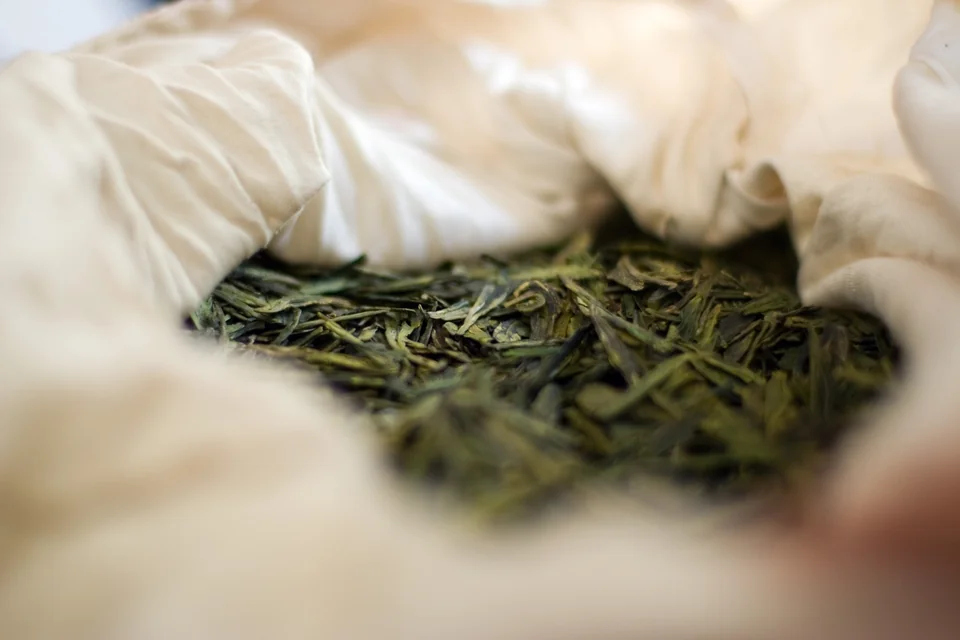

Tea interpretation: three teas in one conversation
Tea Tonique opens with bergamot, lemon and petitgrain. Its heart lists green tea, Earl Grey tea, maté tea and nutmeg, while birch tar and musk anchor the lasting impression. The distinguishing idea is multiplicity: more than one tea register is brought into the same aromatic structure, with a smoky accent adding contrast.
Explore it if you want to consider the relationship between green tea, Earl Grey and maté within a single note pyramid. Keep in mind that listed accords and notes should not be mistaken for a laboratory-confirmed inventory of raw botanical extracts.
7. Jo Malone LondonEarl Grey & Cucumber
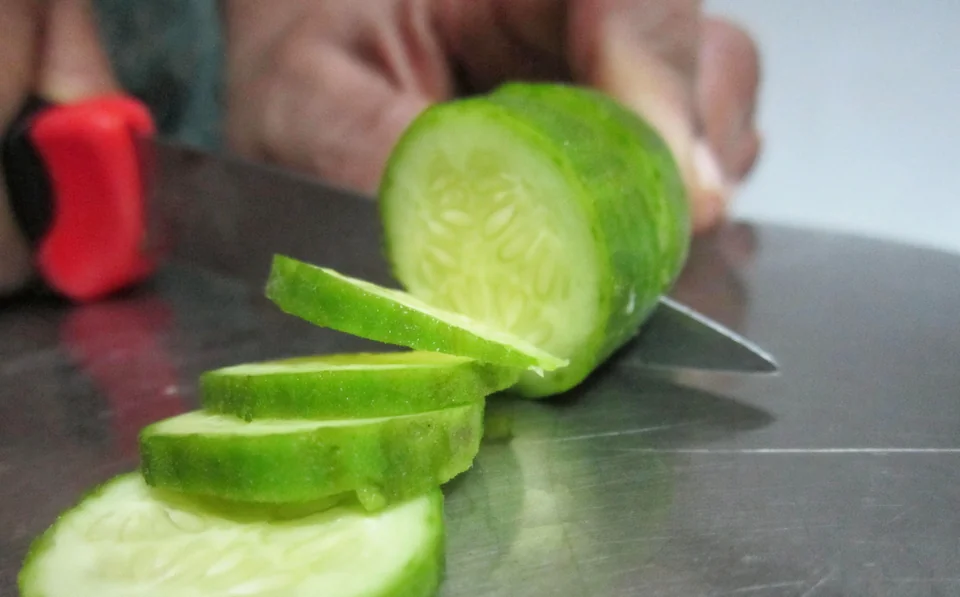

Tea interpretation: an afternoon ritual with a crisp twist
Earl Grey naturally calls bergamot to mind. Jo Malone London brings cucumber into that picture, then counterbalances the opening with beeswax, vanilla and musk. The contrast is what makes the idea worth examining: the crisp, watery impression of cucumber sits next to the familiar aromatic reference of afternoon tea.
Explore it if the meeting point between tea, citrus and a juicy green note interests you. Keep in mind that the maker's concept is not a prediction of projection or wear time.
8. FloraïkuOne Umbrella for Two
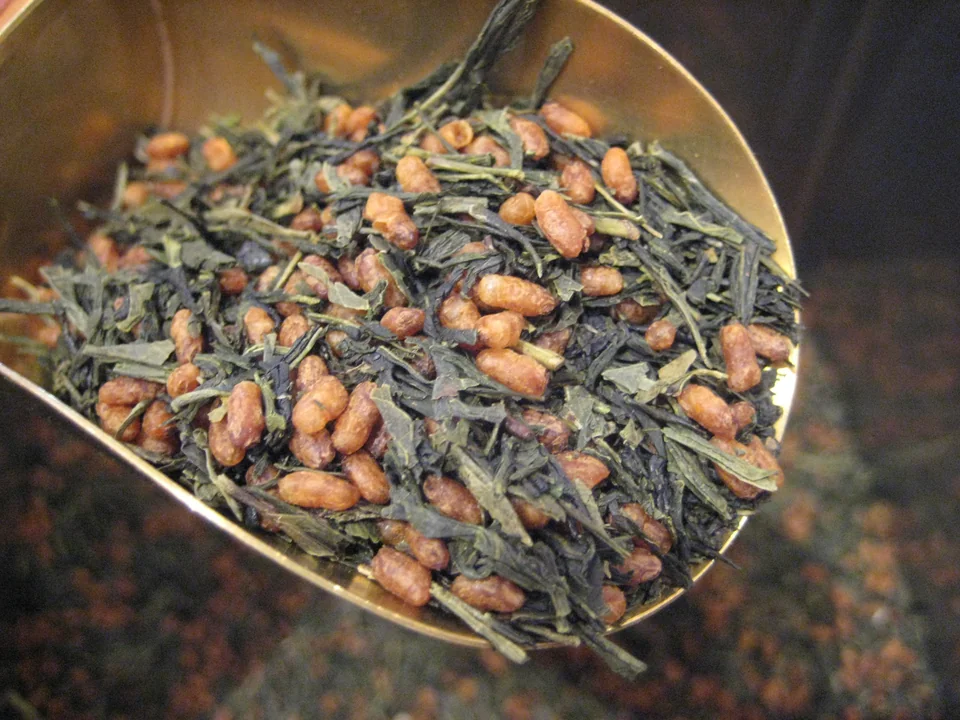

Tea interpretation: genmaicha, rice and dark fruit
This is the clearest reminder in the list that tea need not be purely green or austere. Floraïku explicitly names blackcurrant absolute, genmaicha tea extract and cedarwood essence. The broader pyramid includes a puffed-rice accord, musks, woody notes and a vanilla accord. Tea thus acquires the cultural texture of grain as well as fruit and wood.
Explore it if you are curious about the meeting of tea, rice and fruit in perfume. Keep in mind that the brand's explicit claim about genmaicha tea extract applies to this particular product; it cannot be projected onto every tea-themed fragrance.
9. Armani/PrivéThé Yulong
Tea interpretation: green tea in dialogue with black tea
Armani describes Thé Yulong through green mandarin, green tea and black tea. The contrast is built into its premise: lighter citrus and green-tea facets encounter the darker side of black tea. Rather than making tea the background, this composition turns the relationship between two kinds of tea into the central idea.
Explore it if you want to see how green and black tea are framed in one scent. Keep in mind that Armani notes an Eau de Toilette-to-Eau de Parfum label change within its Les Eaux line without a change to the fragrance concentration or scent experience; different packaging labels should not be mistaken for proven performance differences.
10. Elizabeth ArdenGreen Tea
Tea interpretation: an approachable green-tea accord
Elizabeth Arden's Green Tea Scent Spray gives readers a clear note structure against which to consider the other nine. Bergamot and lemon form the top, followed by a green-tea accord, jasmine accord and celery seeds, with amber, oakmoss and musk beneath. Its importance in this editorial set lies in how plainly it illustrates the way green tea can connect citrus, floral and mossy elements.
Explore it if you are beginning to build an olfactory vocabulary around tea accords. Keep in mind that the number ten is not a verdict on quality: each product here represents a different creative direction, and personal preference matters far more than the ordering.
KEEP EXPLORING
Tea / texture / memory
Which tea should you explore first?
Start with the tea idea, not the rank. If you want citrus to lead you into the leaf, compare Wūlóng Chá and Tea Tonique. If you prefer darker, woody tea, read about Thé Noir 29. Gris Charnel introduces spice and a richer sense of texture; Dear Polly brings apple into the picture. Evermild explores black tea next to ginger, citrus and florals through a Thai brand's documented note pyramid. One Umbrella for Two takes tea in the direction of rice and blackcurrant.
These distinctions help narrow a tasting list, but they cannot replace sampling or a personal skin test. This feature does not report blind trials, longevity measurements or standardized comparisons. It offers a map of creative approaches, not an invented laboratory ranking.
If you would like to understand the language of tea notes before exploring these perfumes, continue with Tea to Scent, our companion feature on how the idea of tea is translated into fragrance.
Sources and selection method
Each entry links to its official product or brand description. For Evermild, the controlled note pyramid comes from ZCONY's owner-approved 01A fragrance note master, dated 14 September 2026; that record confirms brand note storytelling but not a full ingredient analysis. The ordering is an editorial choice based on diversity of tea interpretations and explanatory value, not commercial sales, a customer survey, market share or wear testing.
Photography & credits
Tea and material photographs illustrate scent-note context. They are not product images or evidence of perfume ingredients.
- Ceylon-lumbini.jpg — Oraola · CC BY-SA 4.0. Resized, converted to WebP and cropped in layout. Details
- Dong Ding tea.jpg — Waliy sherpa · CC BY-SA 4.0. Resized, converted to WebP and cropped in layout. Details
- Dried tea leaves, Longjin.jpg — Romain Guy · CC BY-SA 2.0. Resized, converted to WebP and cropped in layout. Details
- Genmaicha - Sencha green tea with toasted rice.jpg — Selena N. B. H. · CC BY 2.0. Resized, converted to WebP and cropped in layout. Details
- Cucumber Slices.JPG — Pranavathiyani G · CC BY-SA 4.0. Resized, converted to WebP and cropped in layout. Details